
Tired: 44 Years of My Family in America
There's a reward in being tired, and it is only granted to those who have earned it.
Or, so I’ve been told.
“Tired” means you’ve pounded the pavement, filled your days with productivity, and embodied a rigorous energy that’s driven you closer to your goals. (You had to have multiple goals in order to make it such efforts really matter.)
“What have you done to be tired?”
Exchanging his weathered scrubs for a wife beater and flannel pajama pants, slumped at the head of the table, my father would routinely have my sister and I consider this question while taking another swig of his well-deserved Samuel Adams. It came as a response to my sister and I grumbling about being “tired” - complaining about whatever happened at school, or at the Sylvan or Kumon or Huntington tutoring program we’d recently returned from.
I never answered his question, and I doubt he expected me to. He’d simply ask, again,
“What have you done to be tired?”
The question would linger in the air as he shoveled down his dinner, freshly washed and clean after another fourteen hour shift.
Dinner was one of two times I’d be able to see my father in our day-to-day lives. Most days, it was the only time I saw him. When I was lucky, I’d hear the slam of a door, an engine roaring to life while I laid there bleary-eyed, blinking at four in the morning.
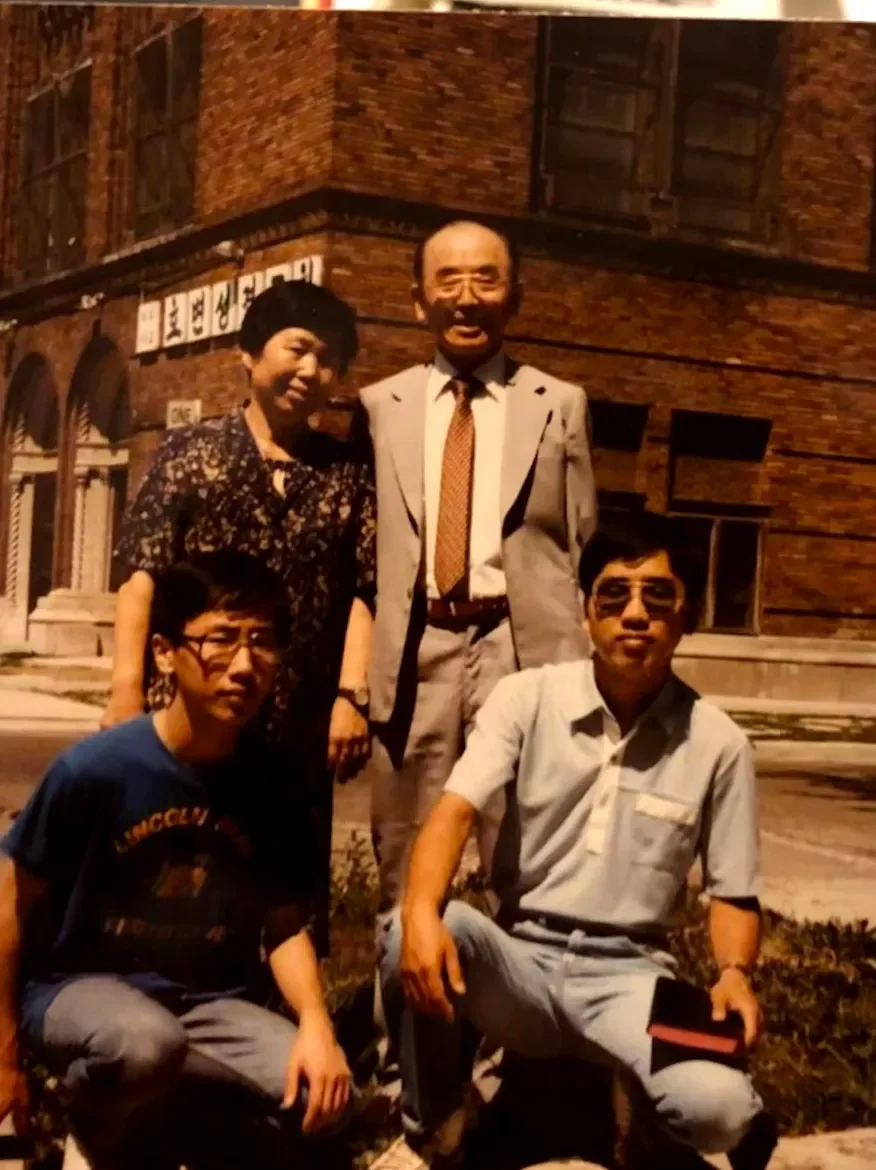
At dinner, he’d take another swig as I sat there, without a reasonable answer, or even an excuse, to claim that I was “tired.”
Forty four years ago on the first of October, my dad and his family came to this country. Upon arrival, my father became the man of the household. His father was already in his seventies; his mother was in her fifties. His brother, barely twelve, was still young enough to be acceptably incompetent.
At sixteen, my father was the only one with a drivers license. Only he could drive their terribly used, terribly unsafe station wagon around the streets of South Chicago. He’d drive his parents to their early morning shifts at the laundromat, ready to pick them up after he finished another day of classes. The man of the house was a high schooler who was still picking which English words to use, a foreigner in this newly claimed “home” of America.
“What did you do to be tired? You went to school? That does not make you tired. School does not make you tired. School makes you smart. If you are tired from school, you aren’t actually tired. You are lazy.”
So it began, my journey towards earning my own right to be tired. There was no honor in being lazy, but there was distinction in being tired. This did not mean I had to be the best, mind you. My father never claimed to be the best, nor did he want to be. It was never about being number one, it was about being good enough to survive. As his daughters, it only made sense that our circumstances would easily earn us a spot at the top. His upbringing, after all, was much harder. Still, he made it. His American dream was fulfilled, ten fold, after years of driving that station wagon, counting his food stamps, and getting his Reagan Cheese. He did not achieve his American Dream for his two daughters to be lazy. Tired, on the other hand...
Tired did not come naturally for the two of us.
For most of our childhoods, my sister and I only supplemented my father’s title of being “tired.” We struggled with discipline. We beat back at it, frequently. To call us a troublesome duo would be a compassionate understatement. We didn’t need to survive like he did, because we weren’t foreigners. We were Americans, through and through. We had dreams for ourselves, as individuals. We rarely thought outside of our own needs and desires, which meant we were frequently told that we were being selfish. In retrospect, we totally were.
When you grow up hearing of “tired” like my father experienced it, a painful “tired,” you do everything in your power to deny it. I never had to drive my parents anywhere. If anything, I had to consistently ask for rides until I turned eighteen. My sister totaled two cars. The two of us were raised with every opportunity laid out in front of us, and still we’d turn our heads away in disgust. Blame it on teenage angst, or call it spoiled behavior. In many ways, I agree with both.
Still, to rebel so strongly against our parents’ sensible hopes for our futures must’ve come from somewhere. It did not come out of the ether, as much as they both like to claim. Only recently do I recognize that my sister and I’s sharp contrast against the “traditionally successful” life path - being a doctor, lawyer, or engineer - is likely a result of watching my parents’ be “tired” throughout our entire upbringing.
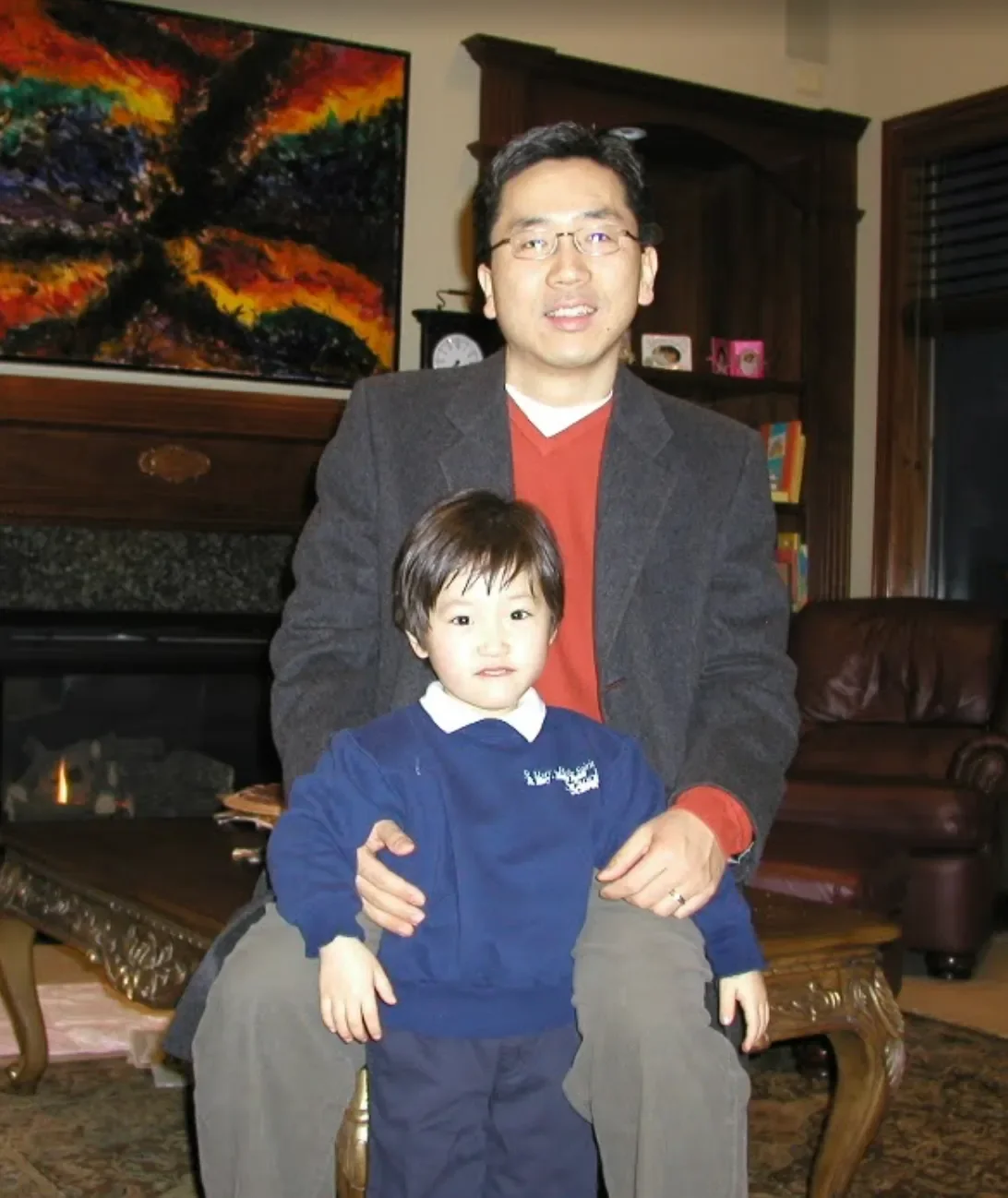
By the time I got to high school, my father was working in another state, and I’d seldom see him once a month, if that. While he worked endless nights, my mother took care of his parents, her own parents, and her children. Everyone leaned on my mother, creating two incredibly “tired” parents, their fatigue stretching every decade of their lives. It would take an ex-machina type of intervention in order to break away from such a state, from a prolonged fatigue that became a point of pain rather than pride. Such a sense of “tiredness” creates distance between loved ones, and that earned honor is lost when you are flinging hurtful comments both ways. You cannot carry compassion when you are drowning in “tired,” barely treading above water.
This did not mean my sister and I coasted by. My parents were determined to put us on a better path, however that looked. Two college dropouts, my sister and I worked an assortment of different jobs in order to survive in our own way. Luckily, we realized the value of working at a young age. Both of us started working “real jobs” at fifteen, a mutual understanding that financial independence granted us both freedom and respect from our parents that we continually disappointed.
A tradition in Korean culture is to buy your parents a pair of underwear with your first paycheck. (I wish I could explain this custom without it sounding weird.) When I bought a pack of underwear from Victoria’s Secret for my mom, I felt the pride and honor that came from being “tired.” Doing well in school, excelling in violin and piano, my sister and I failed at that. Working, on the other hand, returned our dignity. It became our reason to be “tired,” and resulted in the highest praise we’d receive from our parents.
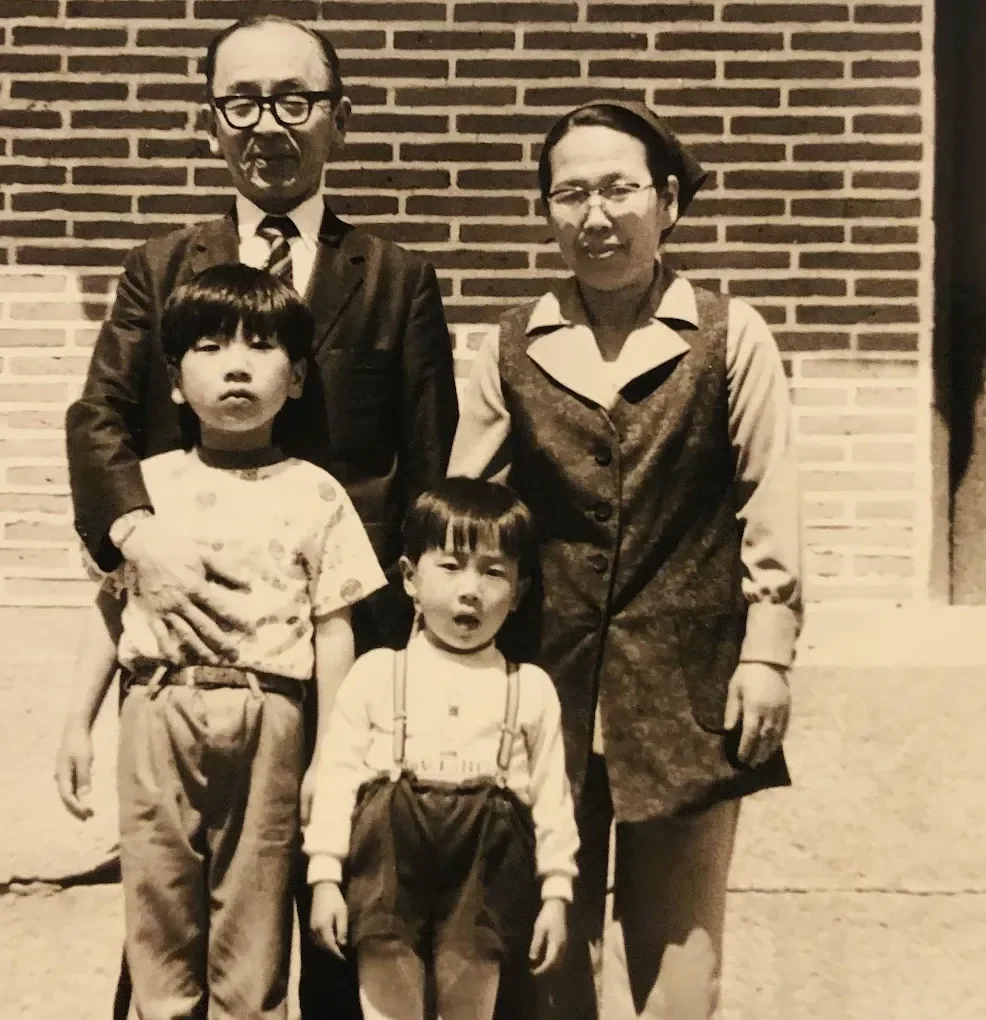
It’s been eleven years since I started my first job. My father still works at the hospital. He’s on call once a month now. My mother still takes care of her parents, our family dog, and keeps a watchful eye on my sister and I’s Instagram stories. Our family group chat solely discusses our achievements, so it seems that this idea of “tired” has prevailed all these years. Achievements look different, though. Photos of my niece’s handwriting, my mother’s reintroduction to creating installation art, my father’s bike ride from Washington to Vancouver. Recently, I bragged about my blood pressure results after my yearly check up. (98/72, if you want to know.)
The passage of fourty-four years since my father first landed in this country has, whether he accepts it or not, changed our family’s understanding of what it means to be “tired.” We no longer have to drown in the sensation in order to survive. We can rest, we can celebrate, we can be better with our time. How do we use the time, after all, that has been gifted by those before us? What would my grandmother, my father’s mother, who fatefully crossed down to the southern tip of Korea before the border closed, in search of her husband, want me to do? How tired she must’ve been. How tired she must’ve felt knowing she’d have to start her life all over again, spending her final decades in a new country called America. By the end of her life, she must’ve grown incredibly tired of being tired.
I don’t think she came here for the rest of her family to be tired.
I don’t think she wants me to be forever tired, either.