
Q&A with Filmmaker Aidan Cronin
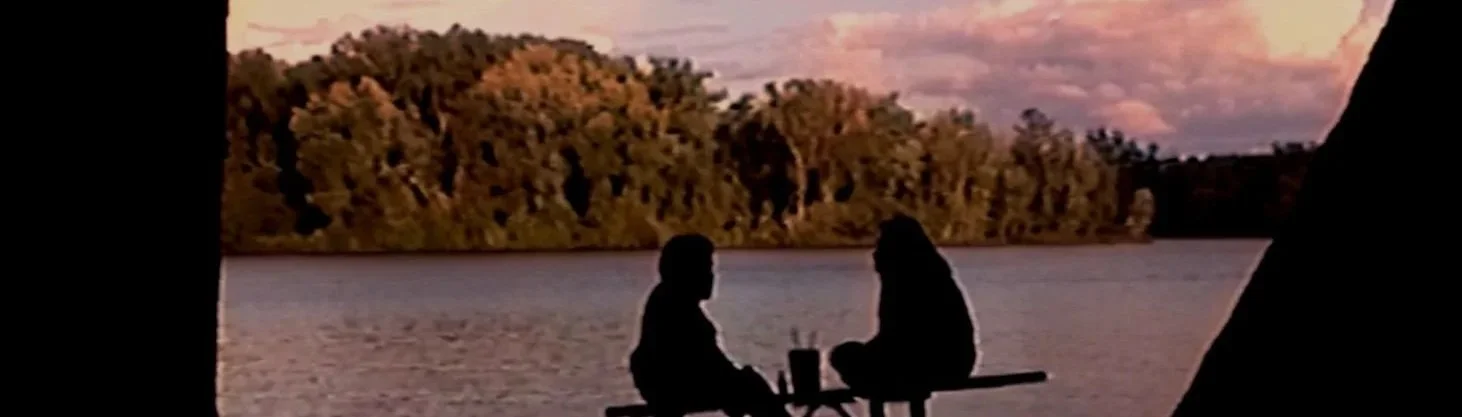
Aidan Cronin is a Brooklyn based filmmaker. His first feature film, ‘The Birds Tell Me All There Is To Know,’ is set to premiere in March 2026 at the 25th Green Mountain Film Festival.
The film follows Paul, an 80-year-old man with dementia, as he struggles to process the recent passing of his wife. To seek solace, he tends to the birds in the woods behind his house and encounters Sam, a 24-year-old girl navigating the death of her father. Sam and Paul bond over their shared hardships and look to the birds for meaning as they reluctantly drift into the next chapters of their lives.
I sat down with Aidan to learn more about the production of his first feature film, his creative process, and what, exactly, the birds are telling us.
BC: First, let’s hear a little bit about you. How did you first get into filmmaking?
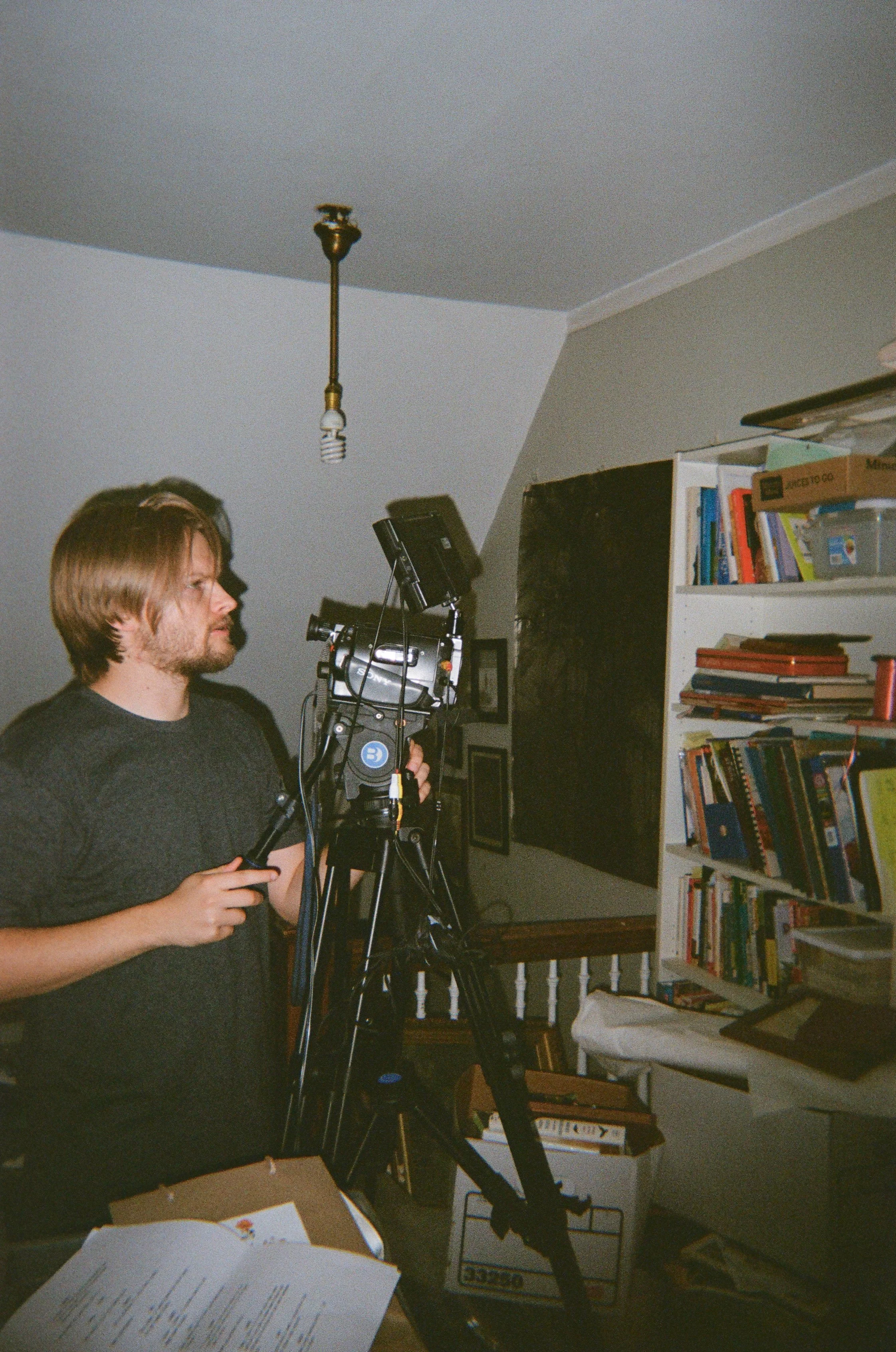
Aidan Cronin on set for his film The Birds Tell Me All There Is To Know.
AC: In middle school and high school, my friends and I loitered at thrift shops. I would always hang out in the camera section to look at all the cool and weird stuff they had. One time, we bought a VHS camera, and we started making movies in the basement. I took on the role of being the director-camera-guy. I started off with those comedy shorts, then I went to film school. Then, when my grandmother got Parkinsons, I started to do drama shorts that explored aging.
BC: As someone who has seen a lot of your short films, I kind of assumed you’d always been an ‘experimental-drama’ guy.
AC: Not at all. I was doing goofball stuff, weird 70s spoofs, comedy stuff. Then it became more of a cathartic thing. A lot of things I was struggling with, or had trouble wrapping my mind around, I began to explore through making movies. Looking back on them, I found I understood more about myself and what my family was going through, which just made me want to make more. It made me recognize that if I was feeling that honesty as a release, someone who is watching it might learn more about themselves, too.
BC: ‘Birds’ is the longest film you’ve created thus far. Did you go into this project knowing it would be your first feature film, or did it happen along the way?
AC: It just kept expanding. All of my shorts, this movie as well, all started as poems or one-off lines. In the case of this film, a poem developed into a short film about an old man who feels a connection to the birds. The main character is based on my grandfather, who has dementia. I realized I’d been shying away from my own perspective in a lot of my short films, so I wanted to explore life and life's questions both from my grandfather's perspective and my own perspective of being a young adult searching for my identity.
BC: Something I find valuable about your filmmaking, specifically, is you embrace the slowness and mundanity of everyday life. For example, there’s a 30 second clip of someone mowing his lawn. Can you tell me more about why you do that?
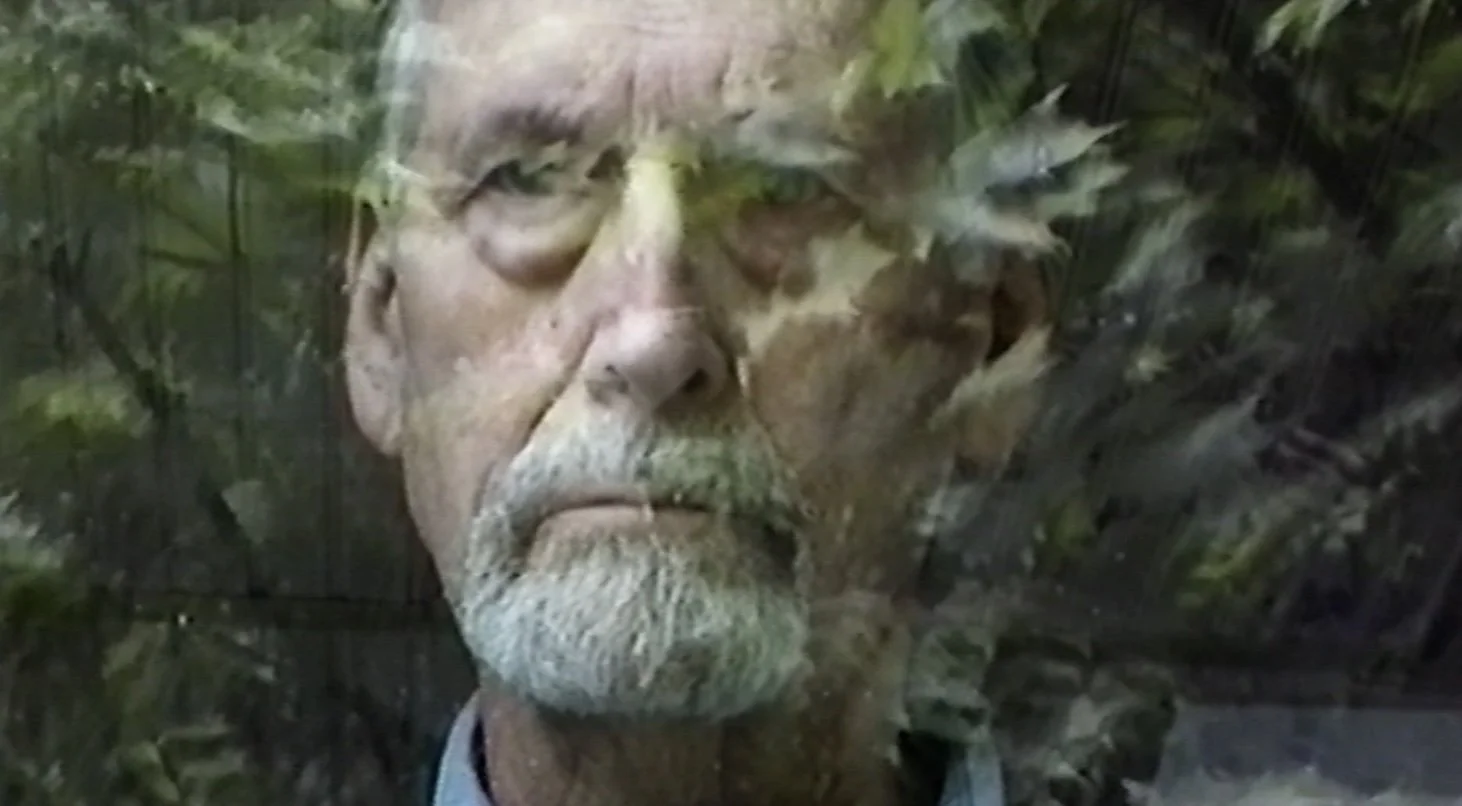
AC: On one hand, I'm aware that people probably avoid those things because it is limiting to an audience - some people might dismiss it as boring. But I felt that, even if it limits the accessibility of the film, I really wanted to make something that felt honest and true to how real people move through the world and experience things.
The part with the lawnmower - originally, it was scripted as a tranquil, peaceful morning. We woke up to film and I was like, what the hell is that sound? My grandmother just said, “oh, that’s the Monday Mowers.” I realized that, on any given day, someone is mowing their lawn, so I built it into the story.
My dad would get phone calls from my grandfather [who has dementia] every 40 minutes where he has to retell the same story, or say the same thing over and over again. I built this into the film, too. I didn’t want the son character to be like, “Oh my gosh, my poor father.” Instead, you get the sense of “Oh, it’s just Tuesday.” This guy's going to go on a walk, he's eating a sandwich, he stops to pet a dog, someone is mowing the lawn. I've always been interested in the chores, the monotonous stuff. We all have to do them, but we all add our own little idiosyncrasies that just make us feel more breathed-in and real.
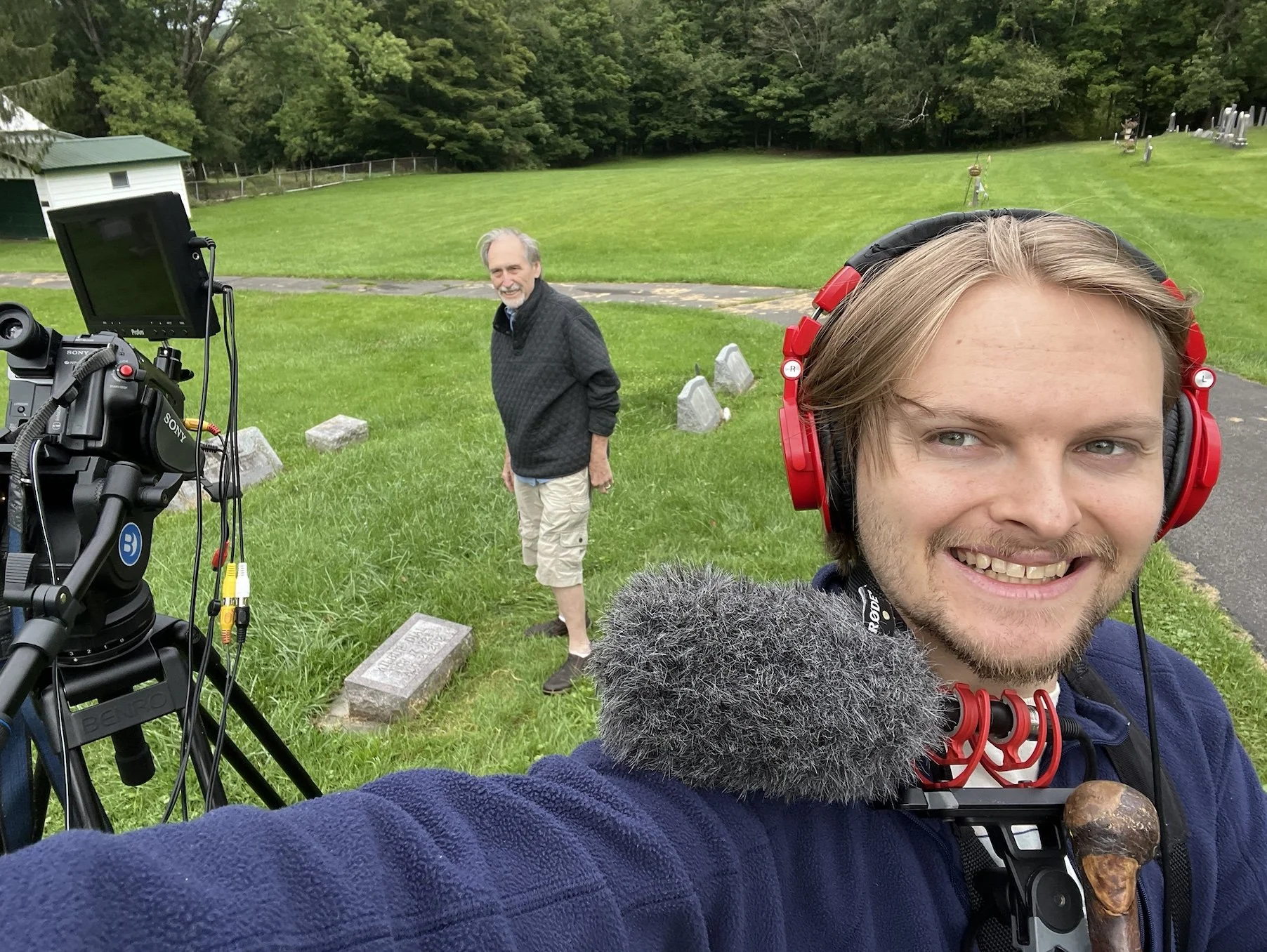
BC: The movie was shot entirely on a 1999 Video8 camcorder. Why did you choose to go in that direction?
AC: I was researching cameras for another project I was working on where we were trying to recreate a sitcom from the early 2000s. We didn't have money to buy proper studio cameras, so I was looking at all these different videos of camcorders on YouTube. If you type the name of an old camcorder into Youtube, you’ll find someone’s old home movies. This camera, specifically, I found through watching a video of a guy in his garden filming his dog. It’s low resolution, but the colors are so vibrant. There’s something so tragic and beautiful about it, you really want to reach out and experience that world. The nostalgia feels tangible, and I wanted to explore what it felt like if you took that camera, put it on a tripod and treated it like it was a 16mm or something really precious. So, I went on Ebay and bought three of them.
BC: Your family played a big part in this movie - they both inspired the plot and appear physically in the movie. Your maternal grandpa plays the main character Paul, your mom plays a supporting character, and your sister, dad and grandma’s voices appear in cameos. Why did you choose to include them in the making of the film?
AC: It started as a logistical decision, and then I fell in love with the idea of capturing my family members in this chapter of our lives. It’s a really interesting experience to be a collaborator with your family because you end up talking about topics that most people shy away from. I had a lot of conversations about mortality and grief with my grandparents while making this.
BC: Was that something you guys already did, or did the film bring out those conversations?
AC: It definitely brought them out. We shot the movie at my Grandparent’s house upstate, and I was going up there every other weekend [the summer we filmed], so I was kind of living with them. After we’d finish shooting, my grandma would make Manhattans and we'd sit on the deck. We'd talk about the movie, about life, about like their stories from their lives. Each time I went up, I brought a different sound person with me, so they also got to spend time with my grandparents and bring their own conversations and perspectives.
BC: How do you feel like you’ve grown throughout the process of making this film?
AC: I look back on the movie, look back on spending that time with my family and the people I made it with, and I am so grateful to have experienced this process with them and to have a little snapshot of us at this time in our lives. Looking back on when I was a younger filmmaker, I realize that I was seeking validation elsewhere. I thought if someone didn’t like my movie, that meant it was bad. I’ve really moved away from that. As an artist, it’s hard to make a finished product that you like and are proud of - I had never really experienced that until now.
The Birds Tell Me All They Need To Know is premiering in March 2026 at the Green Mountain Film Festival.